Emergencies can happen with little warning, but preparing for them does not have to be difficult. For residents of Lauderdale County, being prepared means knowing the hazards that can affect the community and having a plan for their households. Lauderdale County and the Meridian area can experience a variety of severe weather emergencies, including thunderstorms, tornadoes, damaging winds, flooding, tropical weather, extreme heat and occasional winter weather.
Emergency personnel and local governments work continuously to prepare for and respond to disasters, but residents can take important steps now to protect themselves, their families, homes and neighbors.
Severe thunderstorms, tornadoes and damaging winds
Severe thunderstorms can bring dangerous lightning, large hail, damaging straight-line winds and tornadoes. Strong winds can also bring down trees and power lines, damage buildings and block roads.
During a tornado warning, move immediately to a sturdy shelter. A small interior room without windows on the lowest floor is generally recommended when a purpose-built storm shelter or safe room is not available.
Flooding
Flooding is another important concern for Lauderdale County. Heavy rainfall can overwhelm drainage systems, waterways and low-lying areas.
Never drive through flooded roads. Water can conceal washed-out pavement, debris or other hazards, and even relatively shallow moving water can be dangerous.
Tropical storms and hurricanes
Although Lauderdale County is inland, tropical storms and hurricanes can affect East Mississippi. The primary concerns can include heavy rainfall, flooding, strong winds, tornadoes and extended power outages as tropical systems move inland.
Extreme heat
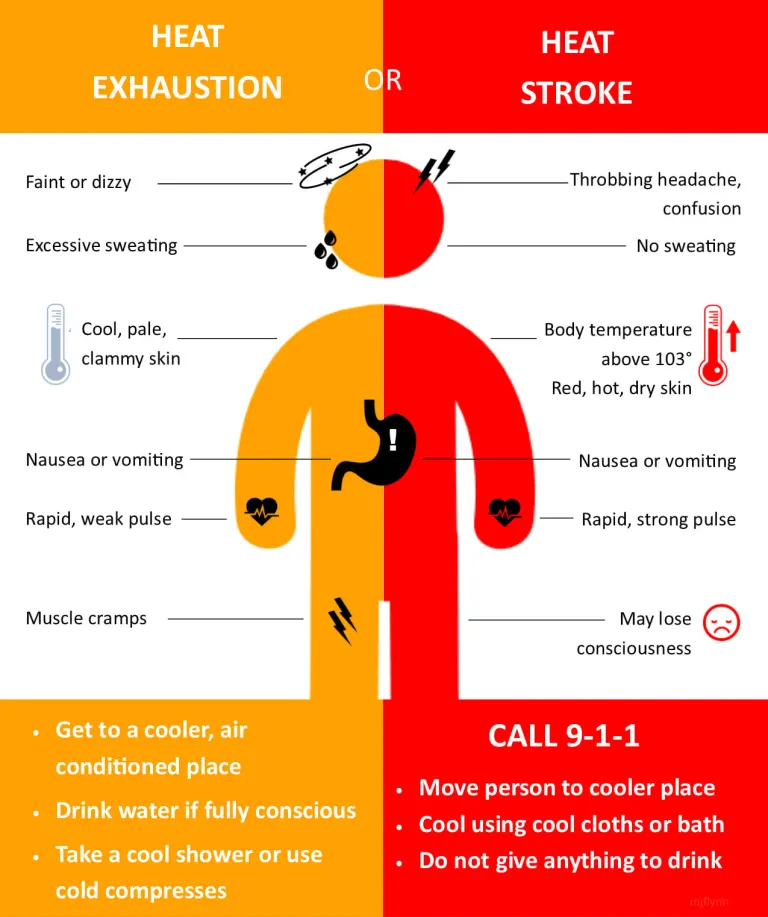
Mississippi summers can bring prolonged periods of high temperatures and humidity. Extreme heat can cause heat-related illness, particularly among older adults, young children, people with certain medical conditions and those working or exercising outdoors.
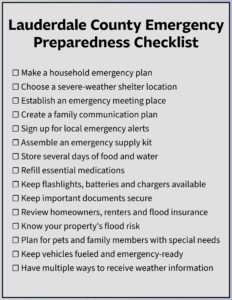 Prepare Before an Emergency
The best time to prepare is before severe weather or an emergency is approaching.
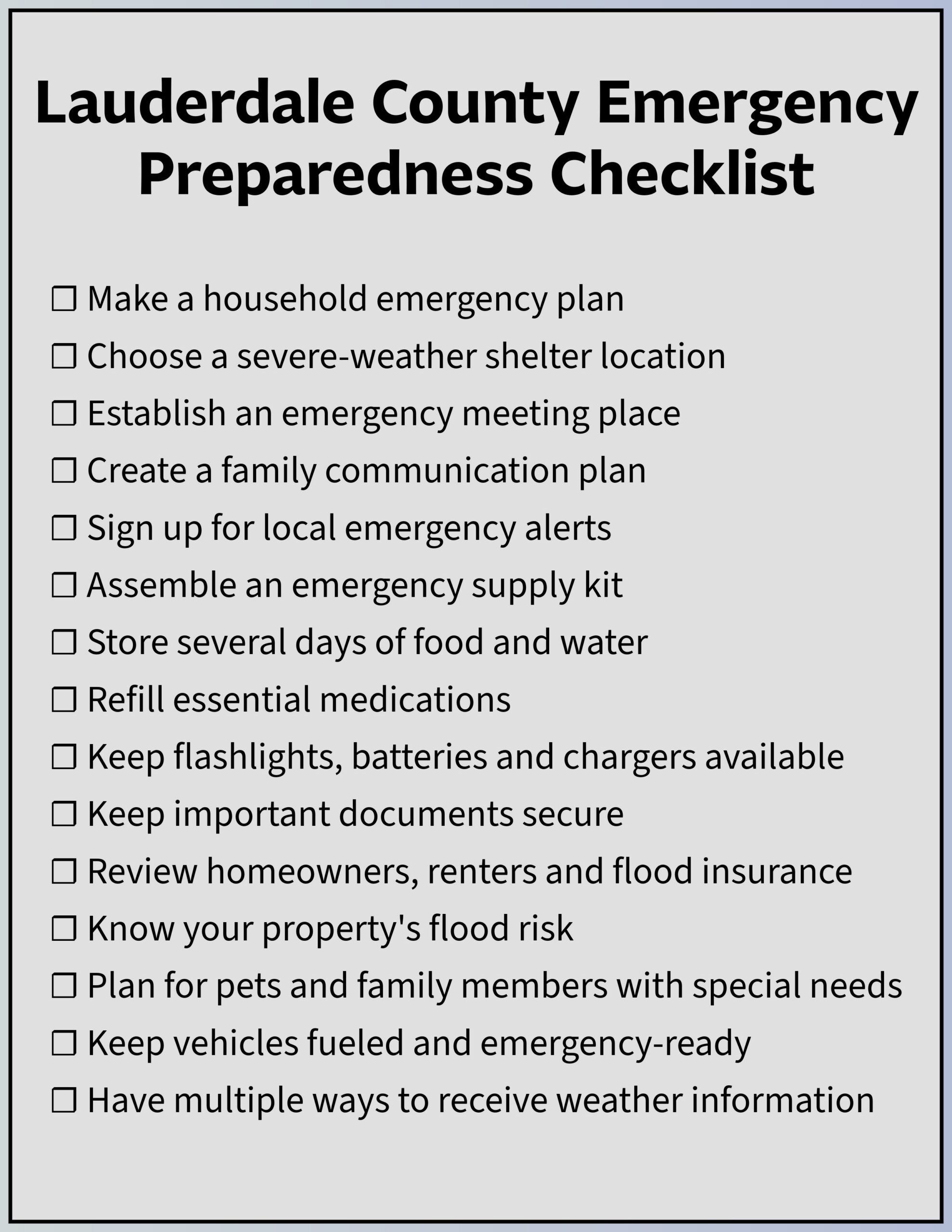
Every household should have an emergency plan that answers several basic questions:
* Where will we go if we need to shelter?
* Where will we meet if we become separated?
* How will we contact one another?
* Who will pick up children if normal arrangements are disrupted?
* How will we assist older adults, people with disabilities or family members with special needs?
* What will we do with our pets?
* Where will we go if we are ordered to evacuate?
Residents are also encouraged to build an emergency supply kit. A basic emergency kit should include:
* Water — at least one gallon per person per day
* Nonperishable food
* Prescription medications and essential medical supplies
* Flashlights
* Extra batteries
* Battery-powered or hand-crank radio
* Phone chargers and backup battery packs
* Personal hygiene items
* Important documents
* Cash
* Blankets or changes of clothing
* Supplies for infants, older adults or people with disabilities, as needed
* Pet food, water and medications
FEMA recommends at least three days of water and food as a basic starting point. Households should consider their individual circumstances and the possibility that an emergency could last longer.
Prepare for power outages
Severe weather can leave portions of Lauderdale County without electricity. Keep flashlights, batteries, battery packs and a battery-powered or hand-crank radio available. Never operate a generator inside a home, garage or other enclosed space.
Protect important documents
Keep copies of important documents such as identification, insurance policies, medical information, prescriptions, financial records and property documents in a secure, waterproof location. Consider keeping digital copies in a secure location that can be accessed if the originals are lost or damaged.
Sign up for emergency alerts
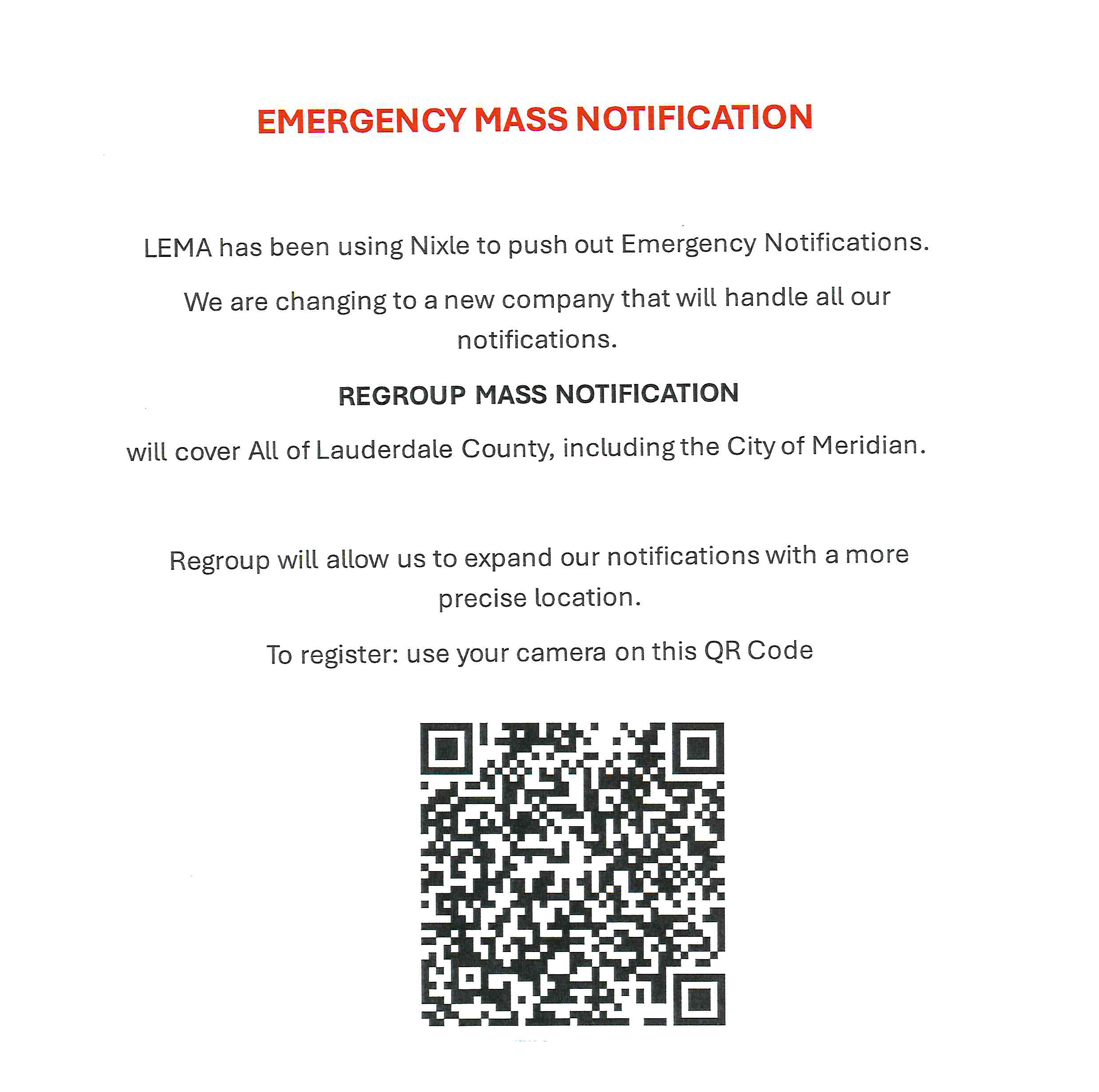
Lauderdale County Emergency Management has transitioned to a new emergency notification system that allows officials to send alerts to specific areas affected by an emergency. Residents are encouraged to register for the county’s current notification system at lemaonline.com.
Consider having multiple ways to receive warnings. Do not rely on outdoor warning sirens as your only source of information.
Prepare for family members and pets
Emergency plans should account for everyone in the household.
Older adults and people with disabilities may need additional assistance during an emergency. Caregivers and family members should discuss these needs before an emergency occurs.
Pets should also be included in the emergency plan. Keep carriers, food, water, medications, vaccination records and identification readily available.
What to Do After an Emergency
The danger may not be over when the storm or other emergency ends.
First, check on family members, neighbors and others who may need assistance. Listen to local officials for information about damaged roads, utilities, shelters, water safety and other hazards.
If you evacuated, do not return home until officials say it is safe.
Stay away from downed power lines, damaged buildings and standing floodwater. Floodwater may contain debris, sewage, chemicals or other hazards.
Know Your Resources. Make Your Plan. Be Ready.
Emergency preparedness is not about predicting exactly when a disaster will happen. It is about taking practical steps now so that when an emergency occurs, residents know what to do and have the resources they need.
A few minutes spent making a plan, assembling supplies and signing up for emergency alerts can make a significant difference when severe weather or another emergency affects Lauderdale County.


 McClure started his career as a volunteer reserve deputy before joining the Sheriff’s Department full time. Throughout his tenure he has held numerous positions including as an investigator, patrol deputy and more.