
East Mississippi residents concerned large data centers will cause their utility bills to skyrockets can put their worries aside, Meridian and Lauderdale County leaders were told Thursday.
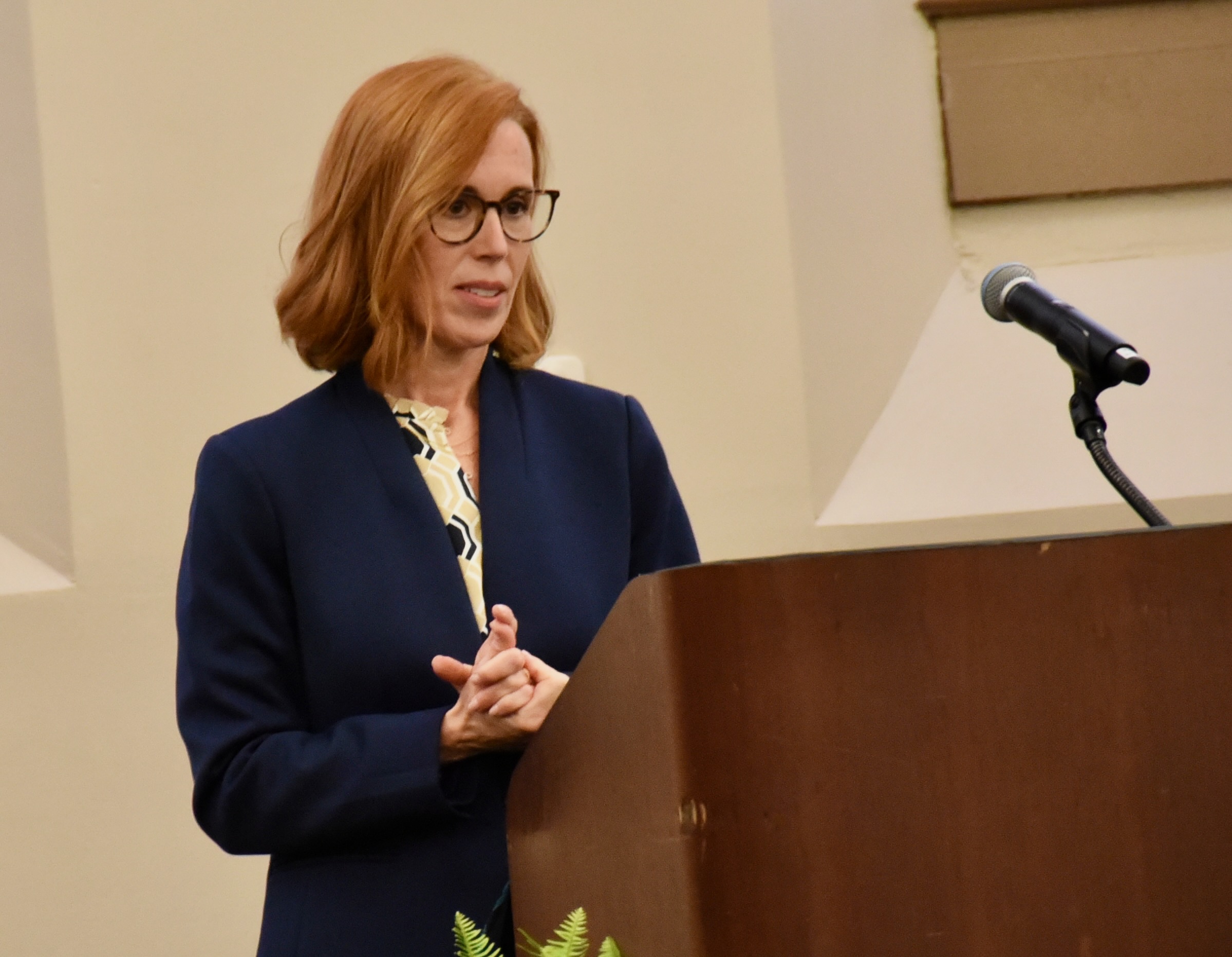
At a lunch and learn event at the MSU Riley Center, Compass Datacenters Vice President of Campus Strategy Sarah Ridgely said the company works hard to minimize environmental disruption to the community. The company wants to “be a good neighbor,” she said.
“And that phrase, ‘Be a good neighbor,’ influences decisions that we make about building design, hiring, everything from noise ordinance compliance all the way down to landscaping,” she said. “And it’s how we engage in the communities that we operate in.”
Compass Datacenters in January 2025 announced a $10 billion investment in Lauderdale County in the form of an 8-building data campus in the I-20/59 industrial park. Groundwork began in June 2025, and the first building began construction in February.
The company expects to build roughly one building per year for the next eight years. Ridgely said each data center building will have roughly 30 full time employees when complete, with a total workforce of around 240-300 employees.
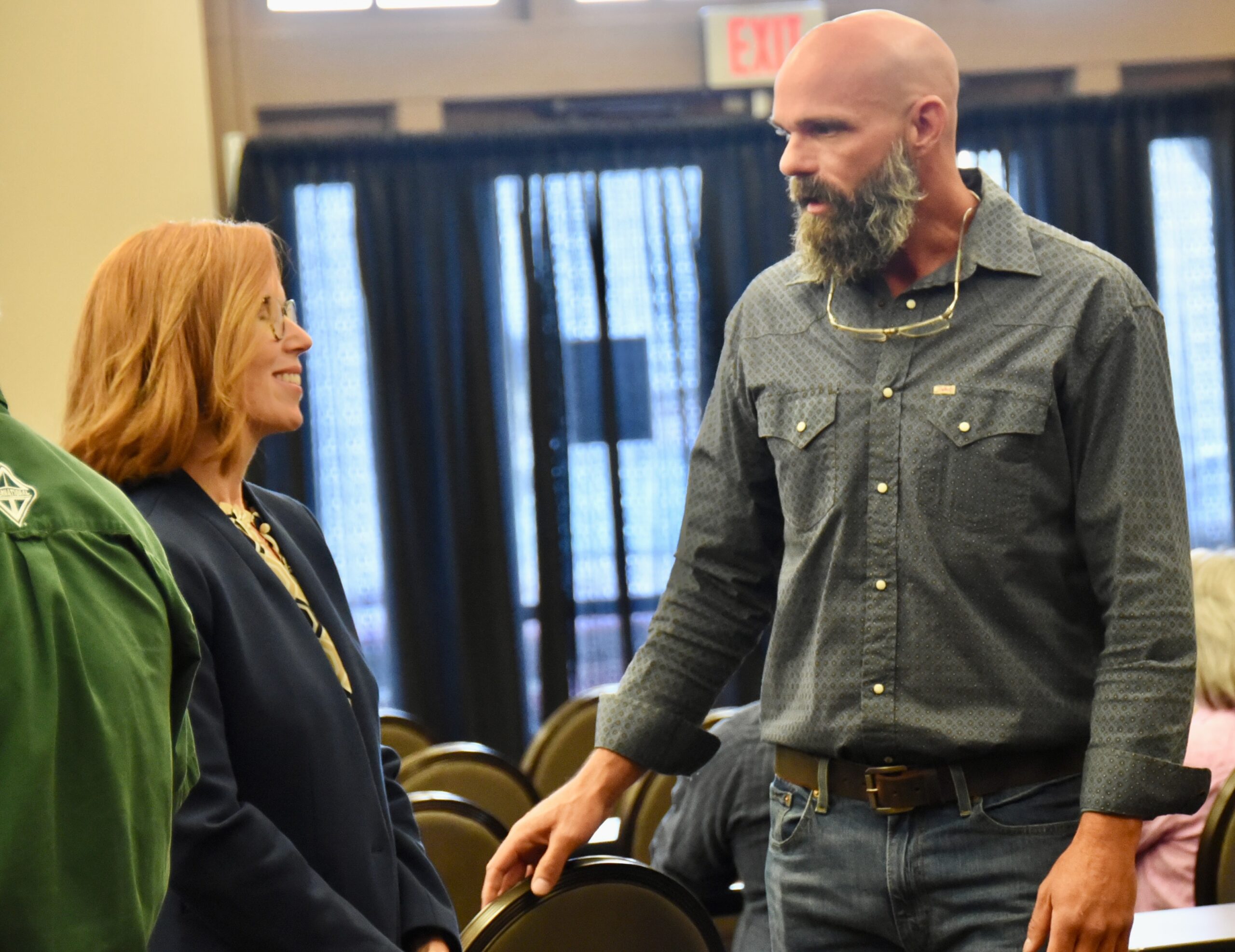
While some residents have voiced concerns about the data center’s electric and water needs, Ridgely said those shouldn’t be problems for Lauderdale County. The data centers being built here use a closed loop cooling system, she said, and won’t have a continuous draw on local water resources.
“Each of those buildings has a small office space, so that’s really the only part of the building that’s using municipal water,” she said.
Electric usage is also a factor, Ridgely said, but Compass is footing the bill for infrastructure upgrades needed to supply the huge demand its buildings will create. That cost shouldn’t fall back on residents.
“We pay for all for all of the infrastructure that’s being built for that project, and that infrastructure in turn actually helps the community,” she said. “Other companies that decide to locate here or grow here have access to that too, so we’re paying our way.”
Mississippi Power will be providing power to the data campus, but each building will have backup generators if needed. Noise from generators has been another concern with data centers, and part of Compass’ goal is to work with the community to minimize disruptions.
Compass is committed to being part of the community, Ridgely said, and the community will see that as the data centers are built and begin to go online.
“What matters is really what you’ll see over time at the campus and what our contributions are to Meridian. Look at how we follow through. Look at how the project progresses and how we show up in Meridian because our goal isn’t just to build a set of buildings here. It’s really to create that long-term presence and that long-term opportunity,” she said.