
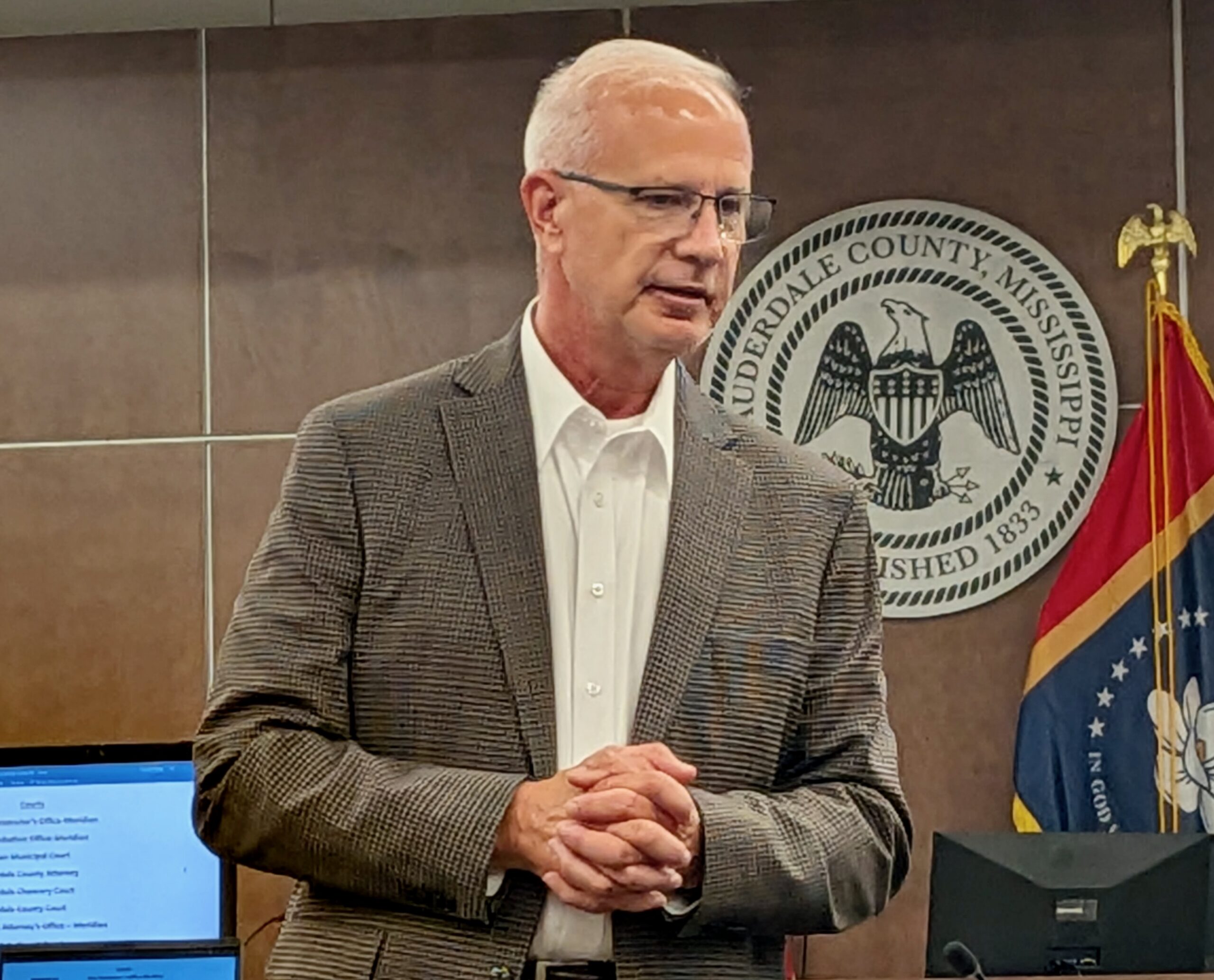
Keeping track of criminal activity is no easy task, but having established criminal histories for offenders is worth the extra effort. That is why Lauderdale County law enforcement and court officials on Thursday heard from representatives of the Mississippi Bureau of Investigation’s Criminal Information Center about what they need to accurately maintain those records.
In addition to being the central repository for fingerprint records and criminal histories in Mississippi, the CIC also shares information with the FBI’s National Criminal Information Center, houses the state’s National Incident-Based Reporting System crime data, processes expungements and more.
Maintaining accurate records and ensuring criminal histories are properly reported helps law enforcement and courts know when someone has previous run-ins with the justice system. That data can also show up on background checks and help employers make informed hiring decisions.
In November 2021, a Mississippi man was arrested in connection with sex crimes against a child under 12. He was indicted by a grand jury in May 2022 and found guilty by a Webster County jury in June 2025. While under indictment, he successfully applied for a job with a neighboring school district, passed the fingerprint background check and worked there for approximately three years.
CIC officials said the incident highlights the importance of establishing criminal histories and properly submitting documents to enter data into the state system. In other instances, criminals have benefited from lenient sentencing because courts aren’t aware they are repeated offenders.
To establish a criminal history, the CIC depends on law enforcement and courts to provide fingerprints, arrest tracking number and required information on the fingerprint card. The office also needs dispositions from court clerks or prosecutors once a case is closed. Dispositions include information such as the outcome of the case and sentencing.
Throughout the state, some law enforcement agencies and courts are still not submitting their data, CIC officials said. By traveling to different areas and speaking with local officers and courts, the goal is to clear up any confusion about what is needed, educate officials on how to submit records properly and encourage local leaders to participate in the program.